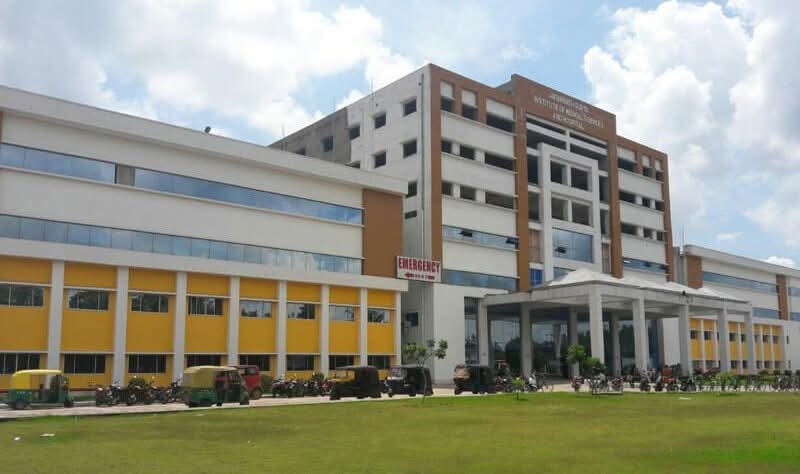

Forensic Medicine, often called Medical Jurisprudence, is the intersection where the precision of medical science meets the rigor of the legal system. At an institution like JIMSH, this department acts as a crucial pillar for the administration of justice, transforming biological evidence into legal facts. It is where medical students transition from treating the living to interpreting the silent testimony of the deceased.
Core Pillars of the Department
1. Medico-Legal Post-Mortems (Autopsies)
The most visible aspect of the department is the post-mortem examination. Unlike a clinical autopsy, a medico-legal autopsy is performed to:
Establish the Cause of Death (e.g., asphyxia, poisoning, or trauma).
Determine the Manner of Death (Homicidal, Suicidal, or Accidental).
Estimate the Time Since Death through the study of post-mortem changes like Rigor Mortis and Livor Mortis.
2. Clinical Forensic Medicine
The department's work isn't limited to the mortuary. It provides vital services for living patients involved in legal cases, including:
Injury Management: Documenting and certifying the nature of wounds (age, weapon type, and gravity) for police reports.
Sexual Offense Examinations: Conducting sensitive and thorough medical examinations for victims and suspects.
Age Estimation: Using radiological and dental evidence to determine the legal age of individuals for judicial purposes.
3. Toxicology
Forensic specialists are experts in the study of poisons and their effects on the human body. The department manages cases of snake bites, industrial poisoning, and drug overdoses, ensuring that chemical evidence is preserved and analyzed to assist in criminal investigations.
Academic and Investigative Impact
The Department of Forensic Medicine at JIMSH serves a "multifarious" role by balancing academic training with frontline investigative work:
Medical Witness Training: Students learn how to stand as "Expert Witnesses" in a court of law, translating complex medical jargon into evidence that judges and lawyers can use.
Casualty Medico-Legal Work: The department oversees the documentation of "Medico-Legal Cases" (MLC) in the emergency room, ensuring that no evidence is lost during life-saving procedures.
Research in Forensic Science: Focusing on evolving trends in crime, such as cyber-forensics, DNA profiling, and the impact of new environmental toxins.
| Museum | Mortuary Block |
| Demonstration Room |
Medico-Legal Photographs & Poster |
| Research Laboratory | Poisons (toxicology Specimens) & Wet Specimens & Fetuses |